Aussie Guide to Marketing Automation for Small Business
Imagine having an extra team member who works around the clock, remembers every customer's name and history, and never once asks for a day off. That is the real power of marketing automation, and it is a complete game changer for small businesses. At its core, marketing automation is just software designed to handle routine […]
By Matthew Clarkson · December 11, 2025

Imagine having an extra team member who works around the clock, remembers every customer's name and history, and never once asks for a day off. That is the real power of marketing automation, and it is a complete game changer for small businesses.
At its core, marketing automation is just software designed to handle routine marketing jobs for you, like sending out welcome emails, posting to social media, or following up on sales enquiries.
Putting Your Marketing on Autopilot
For a long time, marketing automation felt like a tool reserved for big corporations with even bigger budgets. That is not the case anymore. For a small business, it is a way to level the playing field, freeing you from the manual, time consuming tasks that get in the way of actually growing your business.
Think of this guide as your roadmap to making your marketing smarter, not harder.

We will break down what marketing automation really is, why it is so vital for Aussie businesses, and how you can get started without needing a degree in computer science.
Why Automation Is a Must-Have
I get it. For many small business owners, the thought of setting up "automation" can feel overwhelming. You might be picturing complex flowcharts and lines of code, but the reality is far more approachable these days. It all comes down to creating simple systems that take care of predictable, repeatable jobs, giving you back your most valuable asset: time.
To really nail this, you need to get comfortable with the idea of automating repetitive tasks right across your business, not just in marketing. It is a foundational mindset shift.
The payoff is immediate. Instead of manually sending a follow up email to every new subscriber, an automated workflow does it instantly. This is not just about saving time; it builds consistency and trust, keeping your business top of mind from the very first interaction.
The Aussie Small Business Advantage
Australian small businesses are already leaning into technology to drive growth, which gives them a real head start. In fact, recent data shows that 93% of new small businesses in Australia and New Zealand consider technology essential to their success. You can dive deeper into these small business technology trends to see the full picture.
Bringing marketing automation into your business is like equipping yourself with a powerful digital toolkit. It allows you to punch above your weight, work more efficiently, and deliver a polished, professional experience to every single customer.
What is really interesting is the specific focus on artificial intelligence. A huge 76% of these businesses are planning to use AI for their marketing. This positions our region as a global leader in AI adoption among small businesses.
By putting even basic automations in place, you are not just keeping up with the competition. You are getting ahead of the curve. It is a practical step that helps future proof your operations and ensures you can scale smoothly without getting bogged down.
Building Your Automation Game Plan
https://www.youtube.com/embed/mSxpVRo3BLg
Before you even think about looking at software demos or comparing features, we need to talk strategy. A flashy tool is useless without a solid plan behind it. Think of it like building a house: you need a blueprint before you start buying bricks and windows.
Your blueprint begins with a simple map of your customer’s journey. How do people find you, what convinces them to buy, and what keeps them coming back? Trace their steps, from the first Google search that lands them on your blog to the moment they become a loyal, repeat customer.
Mapping this journey reveals all the gaps where a bit of automation can make a world of difference. For instance, what happens the moment someone downloads your free guide? A well thought out plan ensures an automated follow up email lands in their inbox immediately, not just radio silence.
First, Nail Down Your Goals and Audience
With your customer journey mapped out, you can set some crystal clear goals. What do you actually want to achieve? "More sales" is too vague. Let's get specific.
It is tempting to try and do everything at once, but that is a recipe for disaster. Start with a few simple, high impact goals that you can build on later.
Here are a few ideas to get you started:
Your First Automation Goals
| Goal Area | Example Goal | What to Measure |
|---|---|---|
| Lead Generation | Increase monthly contact form submissions by 15%. | Number of form submissions, conversion rate. |
| Sales Conversion | Decrease shopping cart abandonment by 20%. | Cart abandonment rate, completed checkouts. |
| Time Savings | Reduce time spent on lead follow-up by 5 hours per week. | Manual hours saved, number of automated emails sent. |
| Customer Loyalty | Get 10% of first-time buyers to make a second purchase. | Repeat purchase rate, customer lifetime value. |
These are the kinds of tangible outcomes that automation can deliver when you have a clear purpose from the get go.
Divide and Conquer with Smart Segmentation
Next up is segmentation. It sounds technical, but it is just about grouping your contacts so you can talk to them more personally. You would not use the same pitch on a brand new lead as you would on a customer who has bought from you ten times, right?
Think of a local café. They could segment their email list into 'New Subscribers' and 'Loyalty Members'. Newbies get a welcome series with a first-time discount, while loyalty members get exclusive access to new blends. It’s simple, relevant, and it works.
This is the secret sauce. By sending the right message to the right person at the right time, you make your marketing feel helpful, not pushy.
Laying a Solid Foundation for Growth
Getting this groundwork right, including the journey map, clear goals, and basic segments, is the single most important thing you will do. It turns automation from a neat tech toy into a genuine business engine. And the proof is in the numbers, especially right here in Australia.
The adoption of marketing automation among Aussie small businesses is taking off, with over 52% now on board. This is not just a trend; it is delivering a whopping average return on investment of around 340%. That means for every dollar spent, businesses are getting more than triple that back. You can dig deeper into the growth of digital marketing in Australia to see how it is reshaping the market.
Putting in the effort to create a plan now ensures that when you finally pick a platform, you will know exactly what you need it to do to deliver real, measurable results for your business.
Choosing Your First Automation Tools
The world of marketing software can feel overwhelming, can't it? It seems like every day there is a new platform making big promises, and it is incredibly easy to get lost trying to figure out which one is right for your small business without blowing the budget.
The secret is to cut through all that noise. You just need to focus on what you actually need right now.
Think of it like buying your first car. You do not need a high performance race car with a dozen complex settings. You just need something reliable and easy to drive that gets you from A to B. It is the same with marketing automation for small business. You want a tool with a simple email builder, basic workflow automation, and reports you can understand at a glance.
What to Look For in a Starter Tool
The whole point is to find a tool that feels supportive, not intimidating. A complicated platform that you never log in to is just wasted money. A really crucial first step is checking if it can connect with the other software you already rely on, like your website or CRM. It is always a smart move to explore the available system integrations before making a final decision.
Here's a simple checklist to guide your search:
- Ease of Use: Is the platform intuitive? Look for drag and drop builders for emails and workflows so you do not need a user manual just to get started.
- Core Features: Does it cover the absolute basics? Make sure it handles email campaigns, simple automation sequences (like a welcome series), and lets you segment your contacts.
- Clear Reporting: Can you easily see what is working? You need simple dashboards showing open rates, click rates, and unsubscribes.
- Good Support: Is help available when you inevitably get stuck? Check for platforms offering live chat, responsive email support, or a solid online knowledge base.
If you are looking to dive deeper into selecting the right technology, this ultimate guide to small business automation tools offers some fantastic strategies for growth.
Making a Smart Investment for Growth
Investing in the right technology is no longer a luxury; it is a critical step for staying competitive. Despite a cautious economic outlook, with only around 55% of Australian SMEs expecting growth in 2025, digital adoption presents a clear path to better performance.
The data backs this up. Research shows that small businesses investing in AI are 1.8 times more likely to experience growth than those that do not. It is about working smarter, not just harder.
Choosing your first automation tool isn’t about getting the most features. It’s about getting the right features that solve your immediate problems and give you back valuable time.
Starting small with an affordable, user friendly platform is the best approach. It allows you to learn the ropes, get comfortable, and see a return on your investment quickly. You can always upgrade to a more powerful system later as your business grows and your needs get more complex.
Your First Three Automation Recipes
Alright, let's get into the fun stuff and see this work in the real world. Enough with the theory; it is time to look at three simple automation 'recipes' you can set up almost immediately. These are proven workflows that tackle common small business problems head on, delivering some quick wins and building your confidence for more complex setups down the track.
Think of these as your marketing automation starter kit. Each one has a clear trigger (what kicks it off), a sequence of actions (what happens next), and a solid goal.
Recipe 1: The Warm Welcome Series
You only get one chance to make a first impression. A welcome series is your automated handshake, greeting every new person who shows interest in your business. Instead of just dumping a new subscriber onto a list and hoping for the best, this sequence automatically sends a few emails to build a connection right from the get go.
- The Trigger: Someone fills out a form on your website and subscribes to your email list.
- The Actions: The system instantly sends a "welcome" email. A couple of days later, it might follow up with an email sharing your brand story or a link to your most popular blog post. A final email could offer a small, one time discount to encourage that first purchase.
- The Goal: To make new subscribers feel seen and valued, introduce them to what makes you different, and get them to take that first step.
A well-crafted welcome series can see open rates soar above 50% , making it one of the most powerful campaigns in your arsenal. It really does set the tone for the entire relationship.
Recipe 2: The Abandoned Cart Nudge
Anyone with an e-commerce store knows the pain of seeing a shopping cart filled and then abandoned. It is like a customer walking to the checkout and then just vanishing. An abandoned cart automation is your gentle tap on the shoulder to bring them back and finish what they started.
This is a perfect example of where marketing and sales automation work together to directly boost your bottom line.
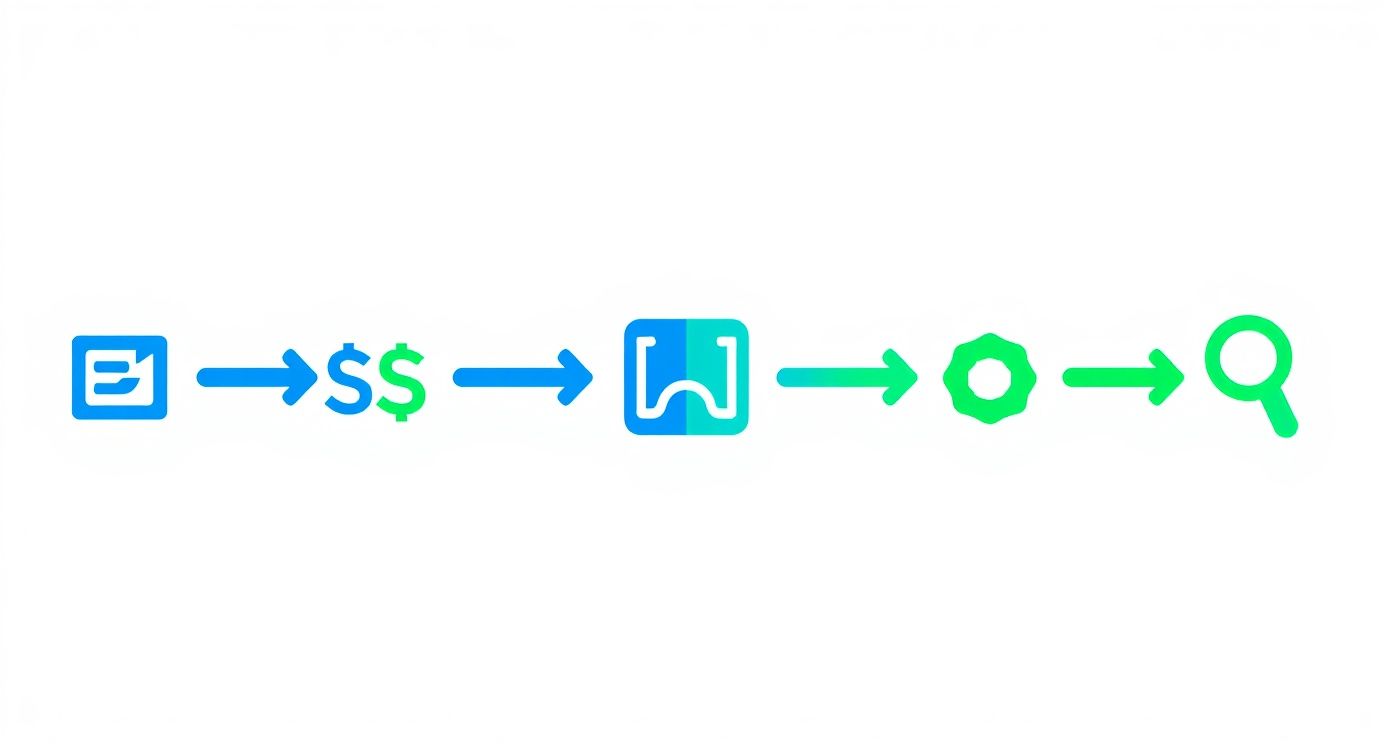
- The Trigger: A customer adds an item to their online cart but leaves your website without completing the purchase.
- The Actions: About an hour later, an automated email goes out with a simple reminder: "Did you forget something?" If they still do not buy, you could send a second email 24 hours later, maybe highlighting customer reviews for that specific product or offering free shipping to sweeten the deal.
- The Goal: To overcome last minute hesitation and recover sales that would have otherwise been lost for good. A simple automated sequence like this can win back anywhere from 3% to 14% of lost sales.
Recipe 3: The Happy Birthday Offer
This last recipe is beautifully simple but incredibly effective. Sending a personalised birthday offer is a brilliant way to make your customers feel special and give them a reason to come back and shop with you. It is a small gesture that shows you see them as a person, not just an entry in your database.
- The Trigger: Your automation system flags that it is a customer’s birthday (you will need to have collected this data at some point).
- The Actions: An automated email is sent on their birthday with a cheerful message and a special gift, like a 15% discount code or a freebie with their next order.
- The Goal: To build genuine customer loyalty and drive repeat business by creating a positive, personal moment.
Connecting Your Tools and Measuring Success
Your marketing automation software is a bit like a central nervous system for your business. On its own, it has a lot of potential, but it cannot do much until it is connected to everything else. For it to truly work its magic, it needs to talk to your website, your customer database (CRM), and your online store.
This does not have to be some massive, technical headache. Most modern platforms are built to integrate smoothly. The goal is simple: create a seamless flow of information. When a new lead signs up on your website or a customer makes a purchase, that data should flow directly into your automation platform in real time. This is what allows you to act instantly and with the right context.
Making Sense of the Numbers
Once your systems are talking to each other, you get to the most crucial part: figuring out if any of this is actually moving the needle. It is incredibly easy to drown in a sea of data, so let's cut through the noise. You do not need a PhD in data science; you just need to know which numbers tell the real story.
The trick is to ignore the vanity metrics. These are the ones that look good on paper but do not translate to revenue. Instead, we will focus on a handful of key performance indicators (KPIs) that truly matter.
Here are the vital signs I always recommend monitoring for marketing automation for small business :
- Email Open Rate: Are your subject lines compelling enough to earn a click? A consistently low rate could point to issues with your subject lines or even deliverability problems (like landing in spam).
- Click-Through Rate (CTR): This tells you if your email content is resonating. They opened the email, which is great, but did the message inside convince them to take the next step?
- Conversion Rate: This is the ultimate test. Of the people who clicked, how many actually did the thing you wanted them to do? Whether it is buying a product, booking a demo, or downloading a guide, this is where your efforts pay off.
- Unsubscribe Rate: Do not panic over a few unsubscribes; it is perfectly normal. However, a sudden spike is a massive red flag. It is a clear sign that you are either sending emails too frequently or your content has missed the mark.
By keeping a close eye on these core metrics, you get a clear, honest picture of what's working and what needs a rethink. It's all about making small, data-informed adjustments over time, not getting lost in complex spreadsheets.
Creating a Simple Progress Dashboard
You do not need expensive business intelligence tools to get started. Honestly, a simple spreadsheet can work wonders. Set up a basic dashboard to track these KPIs week by week, and you will quickly start spotting trends.
Did your click through rate dip right after you introduced a new email template? That is not a failure; it is valuable feedback. This cycle of monitoring, learning, and refining is what separates a powerful automation strategy from a "set it and forget it" machine that quietly underperforms.
The data from your campaigns should constantly feed back into your strategy, helping you make smarter choices. This is where the power of automated data processing really shines, turning a jumble of numbers into clear, actionable insights that help you grow.
Avoiding Common Traps and Knowing When to Call in the Pros
Embarking on your marketing automation journey is a genuinely exciting step. But like any new venture, there are a few classic mistakes that are all too easy to make. I have seen it happen time and time again.
The biggest one? The old ‘set it and forget it’ trap. It is tempting to build a workflow, switch it on, and then walk away, assuming it will just run perfectly forever. But that is not how it works. Your automations need constant care and attention to actually deliver results. Think of them as a living part of your marketing strategy, not a one off task.
Another classic blunder is over communicating. In the initial excitement, it is easy to create a dozen workflows that bombard your new leads with messages. This almost always backfires, leading to a spike in unsubscribes. The aim is to be a helpful, timely guide for your customer, not a constant, noisy distraction in their inbox.
When to Move Beyond DIY
So, when does it make sense to stop tinkering and bring in an expert? There are usually a few tell tale signs that your DIY setup is starting to hold you back.
Maybe your business is scaling rapidly, and the simple lead nurture sequence you built a year ago just is not cutting it anymore. Or perhaps your needs have evolved; you are now juggling multiple products, complex audience segments, and integrations that keep breaking. If you are spending more time troubleshooting your automation platform than you are on strategy, that is your cue.
Hitting a wall with your current marketing automation system isn't a sign of failure. It's actually a sign of success. It means you've outgrown your initial setup and are ready for a more sophisticated approach.
If this sounds familiar, it is probably the right time to talk to professional AI consulting. They can help you untangle the complexity, build a robust system designed for growth, and save you from countless hours of frustration. It is an investment that pays for itself by letting you get back to what you do best: running your business.
Your Questions, Answered
Let's tackle some of the common questions I hear from business owners when they are first exploring marketing automation.
What's a Realistic Budget to Get Started?
You really do not need to break the bank. Think of it less like a massive capital expense and more like a small, valuable subscription. Many fantastic starter platforms have plans that begin in the $20 to $50 per month range.
This is a great price point for getting your feet wet. These plans almost always include the core features you need to make a real impact, like building out automated email sequences and segmenting your audience. As your list grows, you will naturally move into higher tiers, but you can start small and scale up.
How Much Time Will This Actually Take to Run?
There is an initial investment of time, no doubt. You will want to block out a few solid hours to get comfortable with your chosen platform and build out your first couple of essential workflows. A welcome series is the perfect place to start.
Once those core automations are live and doing their thing, your weekly time commitment plummets. I usually advise clients to aim for about one to two hours per week to check in on performance, review reports, and identify small opportunities for optimisation. It is about consistent, minor adjustments, not constant hands on management.
The real beauty of marketing automation for a small business is the time it gives back to you. That initial setup pays dividends week after week by taking repetitive, manual tasks completely off your plate.
Isn't This Just a More Complicated Version of Email Marketing?
It is an easy mistake to make, but they are fundamentally different. Standard email marketing is typically about one to many communication. Think of your monthly newsletter. You write one email and send it to your entire list. It is a broadcast.
Marketing automation, on the other hand, is about creating dynamic, one to one conversations at scale. It sends specific, relevant messages to individuals based on their unique actions and behaviours. Instead of a broadcast, it is a series of automated, personalised dialogues that guide each person along their own customer journey.
At Osher Digital , we specialise in helping businesses build sophisticated automation engines that fuel genuine growth. If you're ready to move beyond the basics and develop a strategy that scales, our expert AI consultants are here to help you map out the next steps.
Last updated on July 1, 2026
Free tool · 2 minutes
Automation ROI Calculator
See what a manual process is really costing you, and the payback on automating it.
Continue Reading
View all
Rented software was always a compromise. AI has ended it.
Off-the-shelf software made sense when custom cost $250,000. AI-assisted development changed the maths. Why we now build software around the business, AI-first, and connected to Claude and ChatGPT, starting at $15k.
Aug 6, 2026
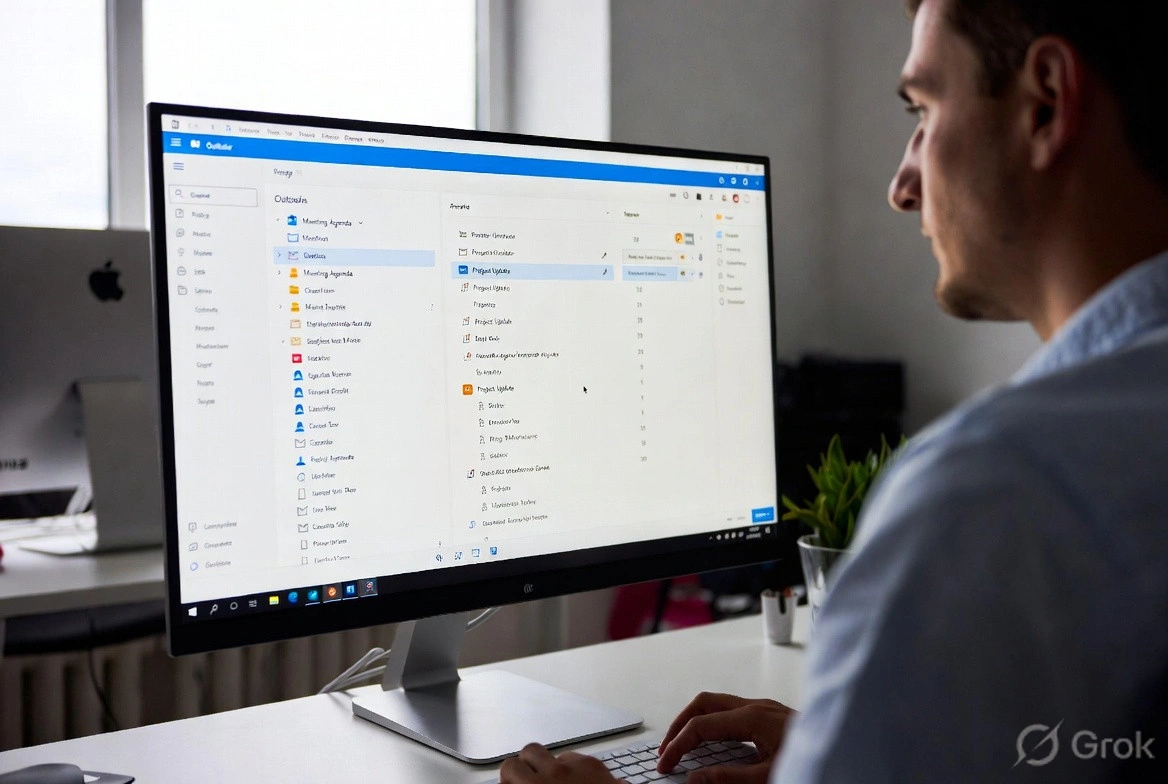
n8n Outlook Automation: Where the Node Stops and Graph Begins
n8n Outlook automation breaks in predictable places: subfolders, attachments, shifting email IDs, plus the Graph API workarounds we run in production.
Mar 16, 2026

What Is a Workflow? Definition, Parts, and What Breaks
A workflow is the repeatable set of steps that takes a task from start to finish. Here is what a workflow is made of, and the parts that quietly break.
Mar 1, 2026
Sick of reading about automation?
Book a free 15-minute intro call. We’ll talk through what you’re trying to automate and whether we’re a good fit.