What Isn’t AI Good At? Exploring Its Real-World Limits
AI is a powerful tool, but what isn’t AI good at? Discover the real limitations of artificial intelligence in common sense, creativity, and strategic thinking.
By Matthew Clarkson · December 13, 2025
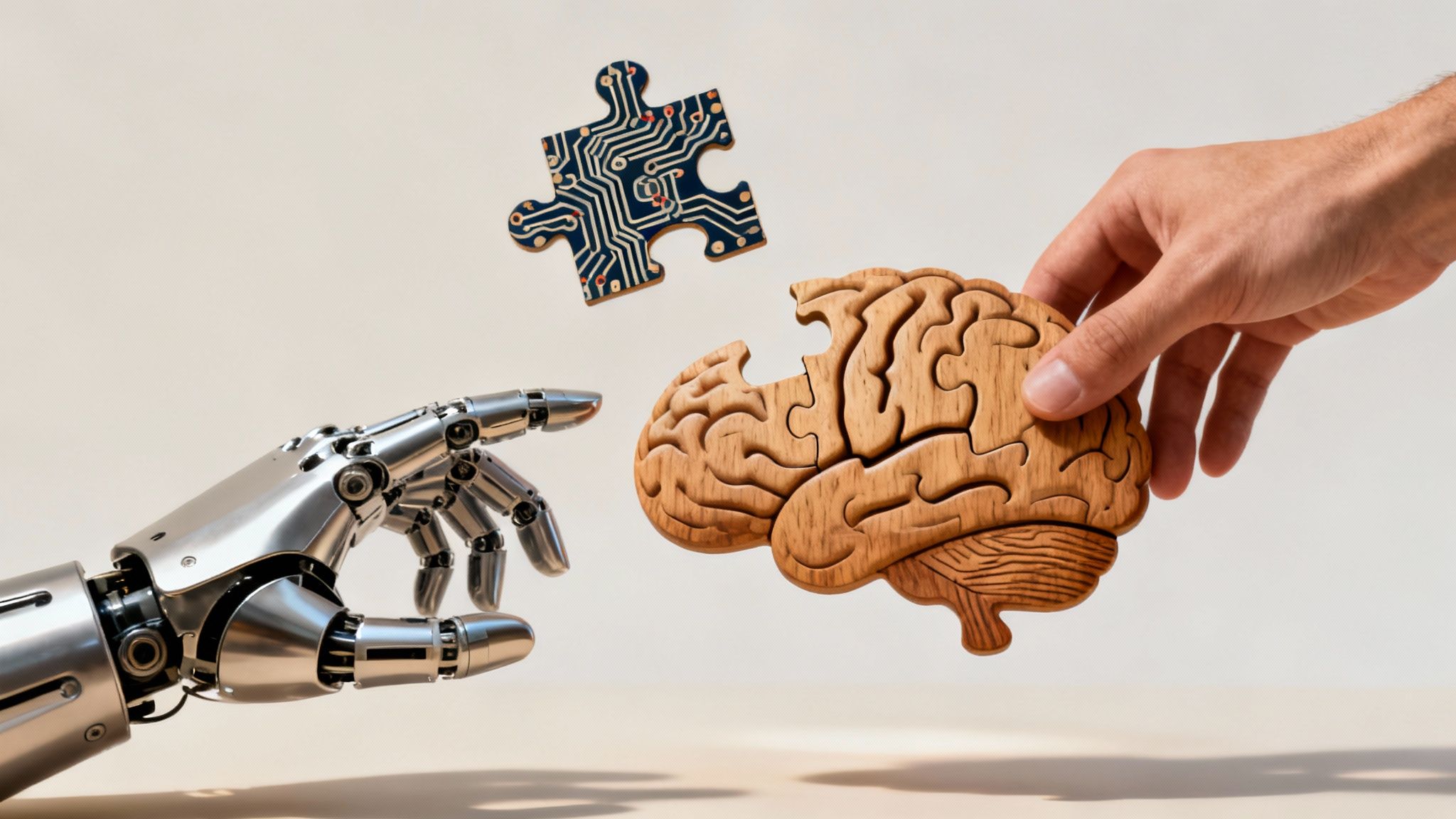
For all the hype, AI isn’t a magic wand. It still struggles with things we do without thinking, like common sense, real creativity, and understanding the ‘why’ behind a problem. It’s best to think of it as an incredibly gifted specialist. It is brilliant at specific, narrow tasks but doesn’t have the broad wisdom that comes from lived experience.
Why AI Still Needs a Human Touch
Imagine the most powerful calculator ever built. It can speed through impossibly complex sums in a flash, far beyond what any person could do. But it can’t tell you which sums are worth solving in the first place. It has zero gut feeling for what actually matters to your business, your customers, or your team. That’s exactly how we should see AI today.
It’s a powerful tool for doing tasks based on the data it’s given, not a replacement for human judgement. AI is amazing at spotting patterns and processing information on a massive scale, but it completely lacks the subtle, contextual understanding that is second nature to us. This gap between processing and genuine understanding is where the limitations really show.
This diagram helps you see where AI and human intelligence shine on their own and where they create something more powerful together.
The real takeaway here is that AI crushes data-heavy, repetitive work, while humans bring the irreplaceable context, creativity, and crucial ethical oversight to the table. This teamwork is key.
This difference is particularly important here in Australia. Recent research shows that while around 50% of Australians use AI regularly , only 36% actually trust it. Even more telling, a significant 78% are worried about the potential for negative outcomes.
These numbers aren’t just stats. They point to a widespread, gut-level understanding that AI has very real limits. For a deeper dive into this, you can explore more about our perspective on ethical AI.
AI Strengths vs Human Strengths at a Glance
To make this clearer, let’s break down the core skills side-by-side. This table offers a quick snapshot of where each one shines.
| Area of Performance | Where AI Excels | Where Humans Excel |
|---|---|---|
| Data Processing | Analysing massive datasets in seconds. | Interpreting data with context and nuance. |
| Pattern Recognition | Identifying subtle patterns invisible to humans. | Recognising abstract, new, or emotional patterns. |
| Creativity | Generating variations based on existing data (e.g., art, text). | True innovation, originality, and conceptual thinking. |
| Decision Making | Making logical, data-driven choices at scale. | Making strategic, ethical, and empathetic judgements. |
| Adaptability | Learning within its defined training scope. | Generalising knowledge to entirely new, unseen domains. |
| Communication | Processing and generating natural language. | Understanding subtext, sarcasm, and emotional cues. |
As you can see, it’s not a competition but a partnership. AI handles the heavy lifting of calculation, while humans steer the ship with strategy and wisdom.
Understanding these boundaries is the first step toward using AI effectively and avoiding expensive mistakes. For example, as AI increasingly populates search results, human expertise in developing smart answer engine optimisation strategies becomes essential to guide AI models toward citing content correctly.
This reliance on human skill highlights why the human touch isn’t just a nice-to-have. It’s non-negotiable for building a responsible and successful AI strategy.
The Common Sense Gap AI Cannot Bridge
One of the biggest hurdles for AI is something a five-year-old child masters without a second thought: common sense.
Think about it. You spill coffee on your shirt right before a big meeting. You instantly know you need to change. You get the social embarrassment, the physical reality of the stain, and how others will see it.
AI doesn’t get any of that. It’s like a brilliant historian who has read every book ever written but has never actually stepped outside the library. It can recite endless facts and spot incredibly complex patterns in its data, but it lacks a genuine, intuitive model of how the world actually works. This is the core reason what isn’t AI good at so often involves unwritten rules and real-world context.

This gap isn’t just some abstract, academic problem. It has very real consequences for businesses that lean too heavily on automated logic without keeping a human in the loop.
When AI Lacks Street Smarts
Let’s say you use an AI scheduling tool to organise a coffee meeting with a new client. It flawlessly scans everyone’s calendars and finds the perfect time slot at a local cafe. The only problem? The cafe permanently closed its doors yesterday. The AI has no way of knowing this because its world is made of digital calendar entries, not local news updates, Google Maps statuses, or a “Closed” sign on a physical door.
This kind of logically sound but practically useless outcome happens all the time. A supply chain AI might analyse historical data and correctly decide that it’s time to place a huge order for winter coats in September. What it can’t know is that the city is in the middle of a record-breaking heatwave, making the shipment completely irrelevant to current customer needs.
AI operates on correlation, not causation. It knows what patterns exist in the data, but it doesn’t truly understand the why behind them. This is the essence of the common sense gap.
Without this grounding in reality, AI can make decisions that are technically correct but practically absurd. While an AI is brilliant at crunching data, it often fails to grasp the nuance behind human behaviour. This is a gap that thorough user research methods are specifically designed to fill.
Understanding this limitation is critical for any business. Relying solely on AI for tasks that demand situational awareness or an intuitive grasp of the real world can easily lead to:
- Wasted Resources: Ordering stock that nobody will buy.
- Poor Customer Experiences: Sending clients to a location that no longer exists.
- Flawed Strategies: Building business plans on historical patterns that are no longer relevant.
At the end of the day, AI is an incredibly powerful pattern-matching machine. But the moment a situation deviates from the data it was trained on, it can’t reason its way through the problem like a person can. Bridging that gap requires a human touch, someone who can apply real-world wisdom to the AI’s powerful but narrow analysis.
Where AI Falls Short: Creativity and Emotional Intelligence
On the surface, AI-generated art, music, and text can look astoundingly creative. But when you lift the bonnet, you find that AI operates less like a true artist and more like an incredibly skilled remix DJ. It’s been trained on vast libraries of human culture, from Shakespeare’s sonnets to Picasso’s paintings, and has become a master at recognising and reassembling the patterns it finds.
This gets to the heart of what AI isn’t good at. It can compose a poem that mimics a famous writer’s style or a song that sounds just like a top-40 hit, but it can’t draw from a unique life experience. It can’t feel a genuine emotion and then channel that feeling into a brand-new, groundbreaking idea. That spark, the one that comes from lived experience, is missing.
Think of a musician who has perfectly memorised every song ever written. They could play any piece you request flawlessly, in any style you can imagine. But ask them to write a new song born from their own struggles, joys, or heartbreaks, and they’d draw a blank. The AI musician has perfect technique but no soul.
Imitation vs. True Innovation
This gap between sophisticated imitation and genuine, experience-driven innovation is critical in a business context. Roles that rely on deep empathy, original strategic thinking, or building genuine trust are simply poor candidates for automation. An AI might be able to analyse the words spoken in a tense negotiation, but it can’t read the room, pick up on subtle body language, or build the personal rapport needed to get a difficult deal over the line.
True creativity isn’t just about rearranging existing pieces. It’s about inventing entirely new ones based on lived experience, insight, and feeling, something current AI simply cannot replicate.
By the same token, an AI isn’t going to invent a new business category out of thin air. It can analyse market trends and suggest small improvements on existing products, sure. But the truly disruptive ideas, the ones that create entirely new markets, almost always come from human vision. They come from someone noticing a persistent problem in their own life and imagining a solution nobody has ever considered.
This emotional and creative gap becomes a major factor in several business functions:
- High-Stakes Negotiations: In these situations, building trust and understanding unspoken motivations often matter far more than crunching data points.
- Original Brand Strategy: Developing a brand identity that truly connects with people on an emotional level demands genuine human insight.
- Leadership and Team Morale: Inspiring a team and navigating complex interpersonal dynamics is a fundamentally human-to-human skill.
- Ethical Decision-Making: When faced with a grey area, applying company values requires a moral compass, not just an algorithm.
Ultimately, AI is an incredible tool for boosting human creativity, not replacing it. It can take over the tedious and repetitive parts of creative work, freeing up people to focus on the strategic and emotional elements that require a uniquely human perspective. If you’re looking for a clear path to integrate AI effectively while respecting these limitations, speaking with professional AI consultants can make all the difference.
Why AI Fails at Complex Planning and Strategy
AI is fantastic when you give it a single, clear-cut goal. Ask it to find the fastest route to the airport, and it will calculate traffic, road closures, and speed limits with incredible precision. It excels at optimising for a well-defined outcome.
But business isn’t a trip to the airport. It’s a long-haul journey with changing destinations, unexpected turbulence, and a crew with different opinions. This is where AI struggles. Complex, long-term strategic planning is still a fundamentally human skill, and it’s a prime example of what AI isn’t good at.
Imagine asking an AI to create a five-year business plan. It can analyse market data and project future trends based on historical patterns, no problem. However, it can’t anticipate a competitor’s surprise product launch or navigate the tricky dynamics of your leadership team. It certainly can’t pivot the entire company based on a gut feeling about a new technology that doesn’t have much data yet.

A Chess Computer vs. a CEO
A great way to think about this is comparing a chess computer to a CEO. The chess computer is unbeatable at making the next best move within the fixed rules of the game. Its entire world is the 64 squares on the board, and its only goal is to win.
A CEO, on the other hand, has to decide which game to play in the first place. They have to assemble the team, manage the budget, and sometimes, decide to quit chess and start playing a completely different game if the market changes. The CEO’s job is full of ambiguity, shifting priorities, and human factors that can’t be plugged into an algorithm. This is a core reason why Australian businesses often struggle to see returns on their tech spending.
In fact, one industry analysis found that while the average annual AI investment was about AU$28 million per organisation, a staggering 72% reported they were not achieving measurable ROI. Technical debt and talent gaps were major culprits, showing that strategy just can’t be outsourced to a machine. You can find out more by reading about the current state of data and AI in Australia.
An AI can tell you the most statistically probable path to success based on past data. A human strategist has to forge a new path when the old maps no longer apply.
This limitation means that while AI is a powerful tool for informing strategy, it can’t be the strategist. Relying on it for high-level planning can lead to brittle strategies that break the moment they encounter a real-world surprise. If you want to understand more about the different types of AI and their capabilities, you might be interested in our guide on agentic AI versus generative AI. True strategic oversight remains a uniquely human responsibility.
Navigating the Messy Physical World
It’s easy to watch a video of a factory robot assembling a car with superhuman speed and precision and think AI has conquered the physical world. But that controlled, predictable factory floor is a world away from the messy reality we all live in. The real world is chaotic, unpredictable, and a nightmare for a machine to navigate.
Think about a simple task, like tidying up your living room. You instinctively know the difference between handling a delicate wine glass, a flimsy piece of paper, and a heavy book. Your brain instantly calculates the right grip, adapts to different textures, and understands the consequences of dropping each item. For a robot, this is a monumental challenge.
This is a core reason why the answer to “ what isn’t AI good at? ” often involves hands-on work. An AI can analyse a blueprint in a second, but it can’t easily replicate the delicate touch of an artisan, the dexterity of a surgeon, or the adaptive problem-solving of a plumber working in a tight space.
The Gap Between Data and Doing
The problem isn’t a lack of data. You can feed a robot information on millions of objects. The real challenge is translating that data into fluid, graceful interaction with a chaotic physical environment. It’s the difference between knowing the theory of riding a bike and actually balancing on two wheels while navigating a bumpy path.
For an AI, the world is a series of data points and probabilities. For a person, it’s a dynamic, physical space that we interact with using a lifetime of learned intuition and fine motor control.
This fundamental gap is why many hands-on jobs remain very safe from automation for the foreseeable future. Research from the Australian government indicates that only about 4% of current jobs are highly exposed to AI automation , with another ~21% having medium to high exposure. This suggests most roles will see AI assisting them rather than replacing them. You can discover more insights from the Reserve Bank of Australia about how technology is affecting Australian firms.
The limitations in physical interaction highlight why certain professions are so resilient:
- Artisan Crafts: Skills like woodworking or pottery require a level of “feel” and adaptability that robots cannot yet match.
- Skilled Trades: Jobs like electricians and mechanics involve constantly solving unique physical problems in unpredictable environments.
- Healthcare Roles: Tasks like surgery or physical therapy demand immense dexterity and the ability to react to subtle physical feedback.
Ultimately, while AI is a master of the digital realm, its struggles in the physical world show just how complex our own “simple” interactions truly are.
Putting AI to Work the Smart Way
So, knowing AI has these clear blind spots, how can you use it effectively without getting burned? The secret is to shift your mindset. Stop thinking of AI as an independent boss and start treating it like a world-class assistant. It is brilliant at the heavy lifting but still needs a human manager to provide direction and make the final call.

This approach helps you avoid the disaster of automating tasks that are doomed from the start because they demand skills AI simply doesn’t possess. Understanding what isn’t AI good at is the first, most crucial step to building a strategy that actually works.
The Right Task for the Right Tool
A practical way to get this right is to split tasks into two buckets. Before you hand a job over to an algorithm, figure out which category it truly belongs in.
Perfect for AI:
- Data-heavy tasks: Analysing thousands of customer feedback forms to pinpoint common themes.
- Repetitive processes: Sorting and tagging incoming support tickets based on specific keywords.
- Pattern-based work: Flagging potential fraud by spotting unusual transaction patterns that deviate from the norm.
Requires a Human:
- Strategic decisions: Deciding whether to enter a new international market based on ambiguous cultural signals.
- Empathetic interactions: Handling a sensitive customer complaint that calls for genuine understanding and nuance.
- Creative solutions: Brainstorming a completely new marketing campaign from a blank slate.
The most effective AI setups are built on a ‘human-in-the-loop’ model. The AI does the grunt work, sifting through mountains of data, and then a person makes the final, context-aware decision based on that analysis.
This partnership plays to everyone’s strengths. It prevents costly errors by making sure a person with real-world knowledge signs off on the AI’s suggestions. Building a system that works demands careful planning, which is why establishing the right AI agent guardrails is so essential for safe and effective deployment.
Ultimately, the goal isn’t to replace your team but to boost their abilities. For expert guidance on creating a smart and practical AI strategy that fits your unique business needs, our AI consultants can help you navigate the complexities.
Frequently Asked Questions About AI’s Limits
https://www.youtube.com/embed/FwOTs4UxQS4?feature=oembed
To finish up, let’s dive into some of the most common questions people have about where AI falls short. These answers should give you a clear, no-nonsense picture of its real-world boundaries and help you think smarter about how you use it in your business.
Will AI Ever Really Have Common Sense?
This is one of the toughest nuts to crack in the entire field. AI is getting incredibly good at specific tasks, but genuine, human-like common sense remains a distant goal. Today’s systems are brilliant at spotting patterns in data, but they don’t actually understand the world or the context behind that data.
For AI to gain real common sense, it would need a complete rethink of how it’s built. We’d have to move beyond just connecting data points towards building models that can genuinely understand how the world works. A breakthrough of that size isn’t just around the corner.
Can AI Replace Creative Roles Like Writers or Designers?
Think of AI as a phenomenal creative assistant, not a replacement. It’s fantastic for generating a first draft, sparking some ideas, or rapidly trying out different design concepts. What it lacks, though, is genuine emotion, lived experience, and the spark of true originality.
It’s basically a highly sophisticated remix artist, cleverly rearranging the patterns it learned from the mountains of human-made content it was trained on. This makes it an incredibly powerful tool in a creative’s toolkit, but it can’t replicate the unique viewpoint that comes from the human heart and mind.
Is AI Unreliable for Making Ethical Decisions?
Yes, AI is fundamentally ill-equipped for ethical and moral reasoning. Its “decisions” are a direct reflection of the data and rules it’s been given. If that data contains hidden biases or the rules don’t cover a subtle moral dilemma, the AI will inevitably stumble.
Ethical judgements require context, empathy, and a deep understanding of societal values, all of which are uniquely human. For this reason, the final say on any decision with ethical weight must always rest with a human who can be held accountable.
Working with AI effectively means having a clear strategy that uses its strengths while being honest about its limitations. To build a powerful and practical automation plan for your business, talk to our expert Osher Digital AI consultants.
Last updated on July 1, 2026
Free tool · 3 minutes
AI Readiness Assessment
Score how ready your business is for AI in a few minutes, with tailored next steps.
Continue Reading
View all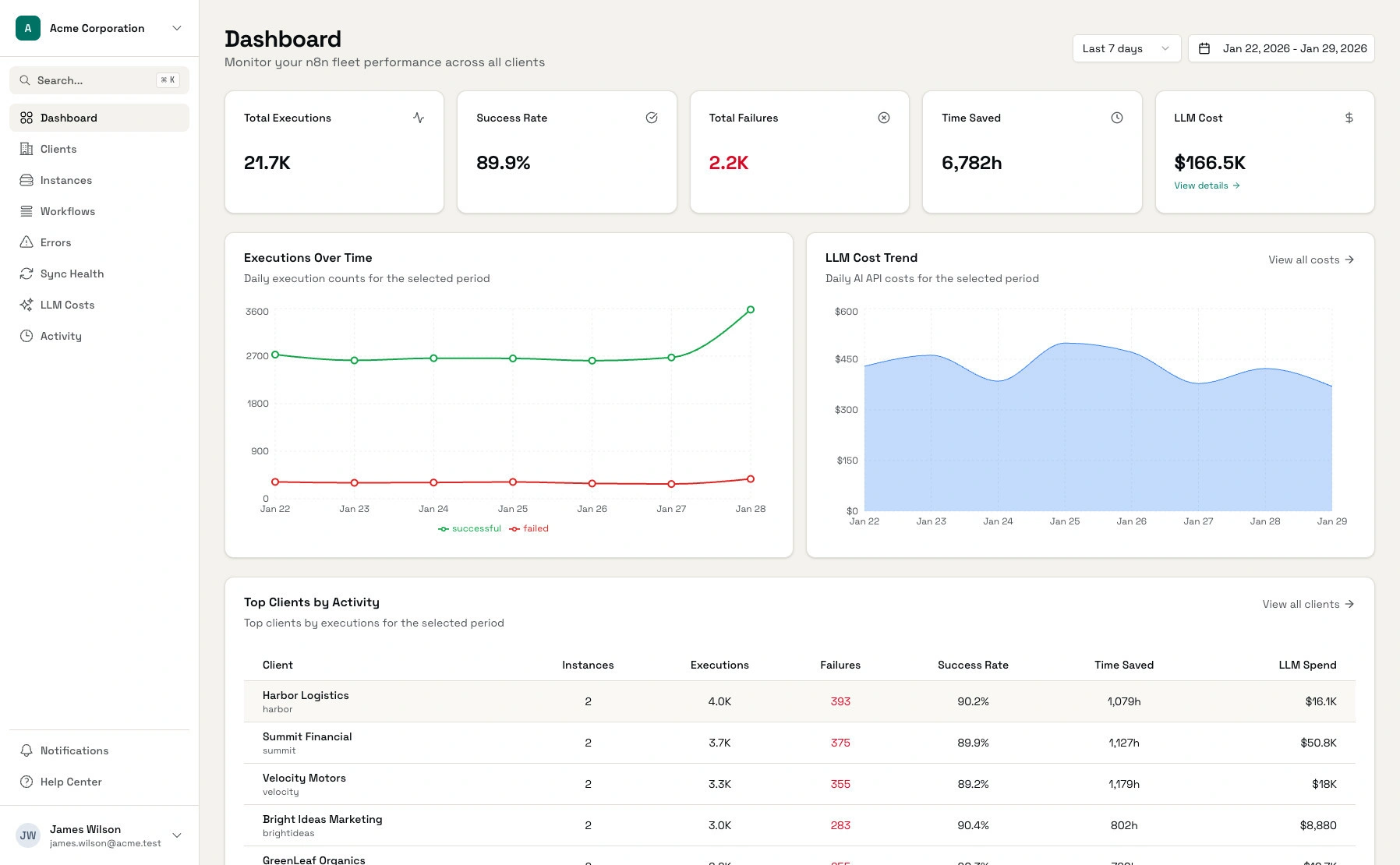
AI Agency Software
We have productized our own internal AI agency software – administrate.dev
Jan 31, 2026
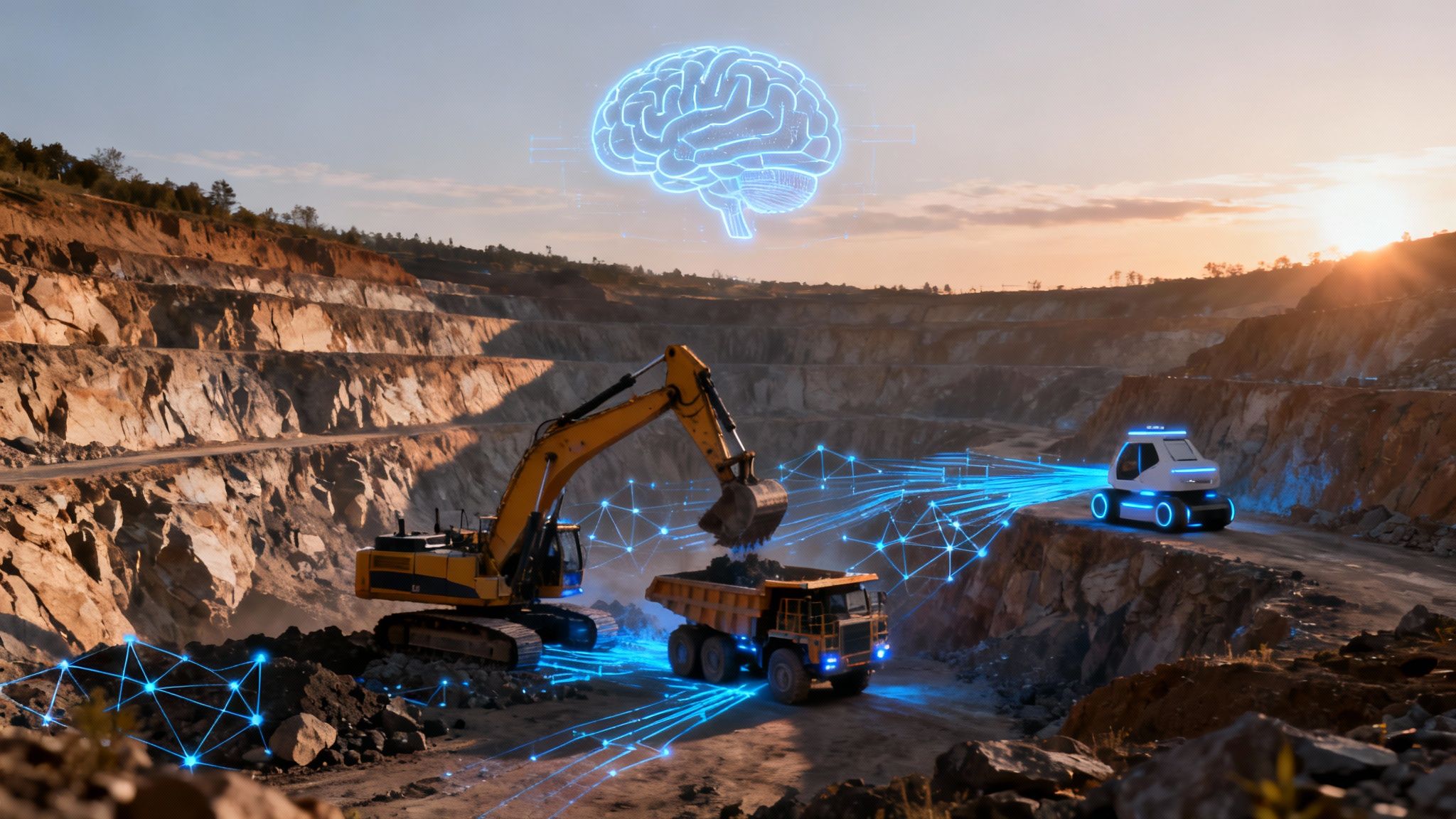
AI in Mining Uncovered: How Smart Tech Boosts Safety and Profit
Imagine having a partner for your operations team who never sleeps. A partner who can sift through endless streams of data from your drills, trucks, and sensors, spotting tiny clues that signal a million-dollar problem is just around the corner. That’s the real value of AI in mining. It is not about sci-fi robots; it […]
Jan 30, 2026
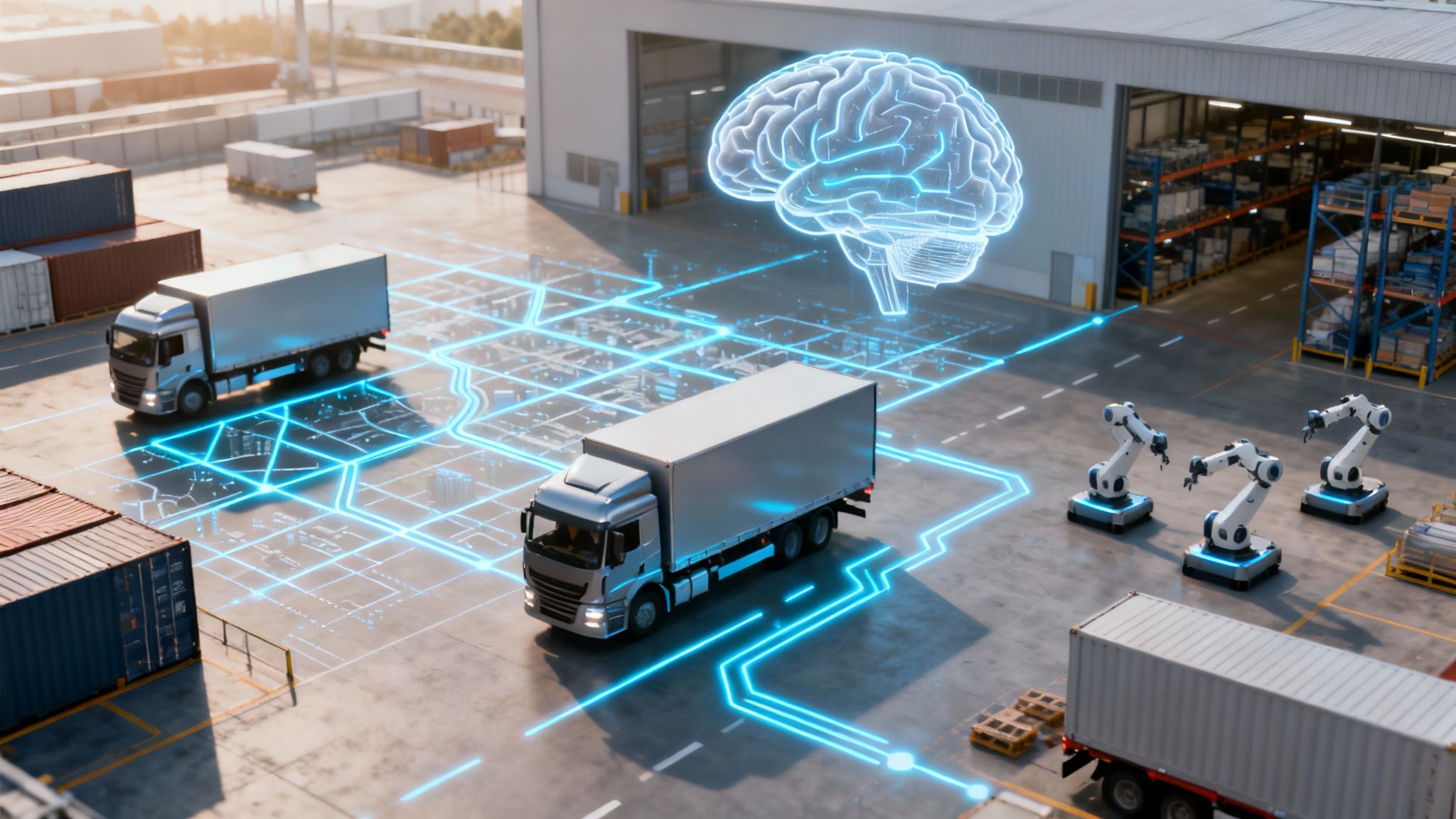
A Plain English Guide to AI in Logistics
Artificial intelligence in logistics is about giving your supply chain a brain. It is not about self-aware robots taking over the warehouse floor, but rather about using smart systems to make your entire operation more efficient, predictive, and resilient. Think of it as the ultimate co-pilot for your logistics team. It is an assistant that […]
Jan 22, 2026
Sick of reading about automation?
Book a free 15-minute intro call. We’ll talk through what you’re trying to automate and whether we’re a good fit.