
AI Medical Document Classification for a Healthcare Practice
Statera Health, a medical practice in Melbourne, eliminated hours of daily manual document sorting and filing by implementing automated AI document classification. Osher Digital configured a solution that processes incoming medical documents, saving the practice hours daily on document handling, achieves consistent and accurate file naming, and has removed misfiled documents and related rework.
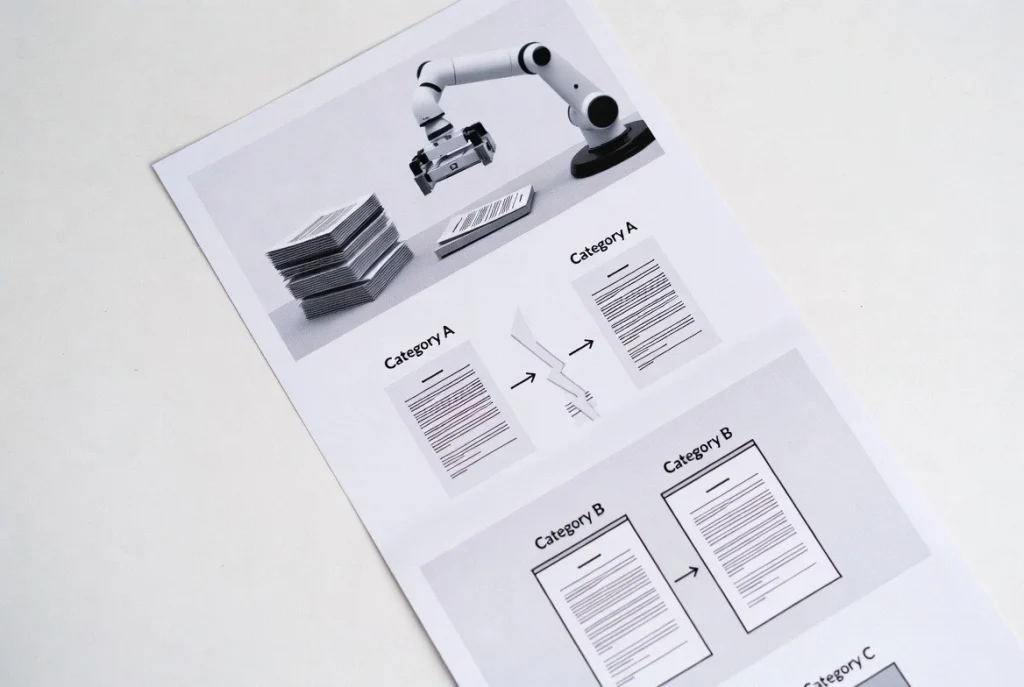
Overview
Statera Health receives a constant stream of medical documents including pathology reports, ECGs, echocardiograms, Holter monitor results, discharge summaries, referral letters, and patient questionnaires. These arrive via email, Healthlink, OneDrive, and direct uploads, often in multi-page PDFs containing results for several patients bundled together. The previous manual process of reviewing, splitting, classifying, renaming, and filing these documents took significant time each day and led to inconsistencies and occasional errors.
Osher Digital built a tailored automation using n8n workflows, custom AI agents, and Azure Document Intelligence to handle the entire document intake process automatically, with human oversight where required. The outcome is faster, more reliable document organisation that allows the practice team to focus on patient care and coordination.
About the Client
Statera Health is a medical practice based in Melbourne, Australia. The practice manages a high volume of incoming clinical correspondence and test results from hospitals, specialists, and pathology providers. Accurate and timely document processing is essential for maintaining complete patient records in their Xestro practice management system and supporting effective clinical decisions.
Problem
The administrative team at Statera Health spent considerable time each day handling incoming medical documents manually. Hospital and specialist reports frequently arrived as multi-page PDFs containing results for multiple patients in a single file. Staff had to:
- Determine where one patient’s report ended and the next began
- Classify each section (for example, ECG, blood test, discharge summary)
- Extract relevant details such as patient name, test date, and report type
- Rename each file to match the precise naming convention required by Xestro
- Upload the documents to the correct patient records
This process typically took 10–20 minutes per batch and occurred multiple times daily. Single-document files still required manual classification, renaming, and filing. The cumulative effect was hours of repetitive work each day, occasional misfiled documents, inconsistent naming that complicated future searches, and staff frustration from the tedious nature of the task. These issues sometimes delayed doctors’ access to test results and added to the overall administrative burden on the practice.
Solution
Osher Digital implemented an automated document classification and organisation workflow specifically configured for Statera Health’s document types and processes.
The solution handles documents from email inboxes, OneDrive folders, and a secure upload portal. It performs the following steps automatically:
- Filters out irrelevant content such as email signatures, logos, and non-medical attachments
- Processes password-protected PDFs and routes them for appropriate handling
- Uses a custom AI agent to analyse multi-page documents and identify boundaries between individual reports
- Classifies each document according to type (ECG reports, echocardiograms, Holter monitor results, pathology reports, referral letters, discharge summaries, patient questionnaires, and others)
- Extracts metadata including patient name, date of birth, test date, report type, and referring provider where available
- Renames each file to precisely match Xestro’s required naming convention
- Places the processed and renamed files into a designated OneDrive folder structured for easy bulk import into the practice management system
A human verification step allows staff to review classifications and splits for unusual or complex documents before final processing. The workflow integrates directly with Microsoft 365 and uses Azure Document Intelligence for reliable extraction and classification. Implementation included detailed mapping of the practice’s document formats, testing with historical files, team training, and post-go-live tuning based on real usage.
Business Improvements
After several months in operation, Statera Health has achieved the following measurable improvements:
- Hours saved daily on document sorting, splitting, renaming, and filing
- Consistent and accurate file naming across all incoming document types
- Elimination of misfiled documents and the associated search and rework time
- Removal of manual boundary detection in bundled PDFs, reducing processing time per batch significantly
- Reduced staff frustration from repetitive manual tasks
- Faster availability of correctly organised documents in patient records, supporting quicker clinical review
- Practice manager and administrative team able to redirect time previously spent on document handling toward patient coordination, scheduling, and other higher-value responsibilities
These changes have streamlined daily operations and improved the reliability of the practice’s document management process.
Ready to discuss how this could work for your practice? Get in touch for a no-obligation conversation.
Ready to streamline your operations?
Get in touch for a free consultation to see how we can streamline your operations and increase your productivity.